• About
    • Blog
    • Contact
    • Disclaimer
    • Gallery
    • Newsletter
    • Portfolio

    Transcending: Why I Decided to Become Apolitical?

    September 6, 2024
    Blog

    In this article I will discuss my decision to become apolitical and explain this in light of my recent post about it on my instagram page.
    Photo by KoolShooters on Pexels.com

    Introduction

    For a long time I carried the burden of other people’s opinions. I thought poets must have opinions on issues that are going around in the world. This was because, as a child, I would see adults discuss this topic over and over with such seriousness and I thought every person must think about political events, stay informed and have an opinion.

    This all changed slowly. Over time I realised that I was uncomfortable presenting poems. This year (a deleted post) I presented for a radical organisation at a certain university regarding a certain political event that was taking part in the world.

    I felt uncomfrtable during the entire process and the after process and the discomfort remained with me for many months. I realised that I need to study where this is coming from. I presented a poem for a country and I realised three things:

    • I was being used as a pawn by members who were pushing a political agenda as my message for peace was a message that no one wanted to hear.
    • The organisation I was representing didn’t actually want to build bridges but were more interested in pushing their opinions out.
    • I felt uncomfortable because many people who were partisan were quite sectarian and perhaps even hateful. The line could get blurred from time to time in that realm of thinking.

    There was a deeper reason why I was uncomfortable and that was the reason. Sometimes you have to do something to realise what you don’t want to do. I realised that I wanted to transcend politics and make an impact where I discuss ideals and values rather than events and what the correct position is. I thought about poets that I admired like Rumi or Marley and I wanted to follow them in the way that they try to transcend binary politics to discover the truth.

    The truth was what concerned me, my image too. I didn’t want to be viewed as a partisan, black and white opinionated person because I am not that person. I decided never to write a political poem again and never to take sides and be used as a pawn to present poems where I indirectly push agendas that I might not even be aware of.

    What is apolitical? Does it have depth?

    Far from being a lazy position, apolitical artists take a deliberate decision to avoid polarisation, partisan bias, political stress, propaganda, hostility & identity politics.They do this to transcend politics and focus on art and promoting positive ideas that are beneficial to humanity like unity, love, beauty and wisdom.

    If every artist with a platform, large or small, constantly gets involved in politics then where will the people find a break from the day to day chains of reality?Who can the people trust to listen to about important universal messages? How can someone call themselves a poet of love if they are partial with their message of love and compassion?

    It’s alright if others disagree but this has been something I’ve wanted to do for a while and something that has sat with me intellectually and spiritually for a long time now.I want to be far sighted and transcend opinions to focus on discussing messages related to ideals and values. This is why my brand will remain apolitical going forward.

    Notable Apolitical Poets Throughout History

    In both medieval and ancient times, poetry often intertwined with religion, philosophy, and myth, but some poets remained detached from the political dynamics of their day, focusing on more spiritual, artistic, or philosophical concerns. Here are a few from both Eastern and Western traditions during those periods:

    Medieval Poets (East and West)

    1. Li Bai (701โ€“762) โ€“ China

    • Style/Themes: A renowned Tang dynasty poet, Li Bai was known for his nature poetry, wine-inspired musings, and reflections on the human condition. Although he lived during a politically tumultuous time, his works often stayed away from direct political commentary, focusing more on personal freedom, nature, and existential thoughts.
    • Notable Works: Drinking Alone by Moonlight, Quiet Night Thought

    2. Jalฤl ad-Dฤซn Rลซmฤซ (1207โ€“1273) โ€“ Persia (modern-day Afghanistan/Turkey)

    • Style/Themes: Rumiโ€™s poetry is deeply mystical, focusing on themes of love, unity with the divine, and spiritual transcendence. He did not involve himself in political matters, instead dedicating his life and poetry to exploring the relationship between the human soul and the divine.
    • Notable Works: Masnavi, Divan-e Shams-e Tabrizi

    3. Dante Alighieri (1265โ€“1321) โ€“ Italy

    • Style/Themes: While Dante is remembered for his Divine Comedy, which does contain references to politics, his larger focus was on the soul’s journey toward God, the structure of the cosmos, and human morality. Much of his poetic output can be considered apolitical in the sense that it focused on the individual’s spiritual journey rather than political activism.
    • Notable Works: Divine Comedy, La Vita Nuova

    4. Mฤซrฤbฤฤซ (c. 1498โ€“1547) โ€“ India

    • Style/Themes: A 16th-century poet-saint from Rajasthan, Mirabai composed devotional poetry to Krishna. She distanced herself from the politics of her royal upbringing, instead devoting her life and poetry to spiritual love, the worship of God, and renunciation of worldly affairs.
    • Notable Works: Poems of Devotion to Krishna (various bhajans)

    Ancient Poets (East and West)

    1. Sappho (c. 630โ€“570 BCE) โ€“ Ancient Greece

    • Style/Themes: Sappho’s poetry centers on personal emotions, love, and relationships, often with a focus on passion and the inner life. Though she lived in a politically complex period, her poetry remains mostly apolitical, dealing with intimate, personal themes.
    • Notable Works: Most of her poems survive only in fragments, but her lyrical poetry is celebrated for its emotional depth.

    2. Bashล (1644โ€“1694) โ€“ Japan

    • Style/Themes: A master of the haiku, Bashลโ€™s poetry often centered on nature, simplicity, and spiritual reflection. He lived during the Edo period but remained detached from political movements, focusing instead on Zen-inspired meditations on life and nature.
    • Notable Works: The Narrow Road to the Deep North (a travelogue of poems)

    3. Horace (65โ€“8 BCE) โ€“ Ancient Rome

    • Style/Themes: Although Horace held positions under the Roman Empire, much of his poetry is apolitical and focuses on the philosophy of life, the pursuit of contentment, friendship, and the fleeting nature of human existence. His Odes are philosophical and often focus on personal and reflective themes.
    • Notable Works: Odes, Satires

    4. The Bhagavad Gita (5thโ€“2nd century BCE) โ€“ India

    • Style/Themes: While technically part of the Mahabharata, the Bhagavad Gita is a philosophical and spiritual text that uses dialogue between Prince Arjuna and the god Krishna to explore the nature of duty, ethics, and the soul. Although situated within a political conflict (the Kurukshetra war), the poem transcends the political and delves into metaphysical and ethical questions.
    • Notable Works: The Bhagavad Gita (as part of Mahabharata)

    5. Omar Khayyam (1048โ€“1131) โ€“ Persia

    • Style/Themes: Known for his Rubaiyat, Khayyam’s poetry often reflects on life’s fleeting nature, the joys of wine, and the mystery of existence. He lived through the political tensions of the Seljuk Empire but remained detached, focusing instead on existential musings and the pleasures of life.
    • Notable Works: Rubaiyat of Omar Khayyam

    These poets, both in the East and the West, often engaged with deeper spiritual, philosophical, or personal matters, leaving the political landscape mostly in the background. Their works reflect a focus on nature, love, existence, and the divine rather than political activism or commentary.

    Conclusion

    When I read these poets I have a good feeling about them and I want to become like them. Taking a position that is apolitical feels very good to me. It feels right, it allows me to take my time, think things through. It does give me a privelige and in an unpriveleged world I need that. It gives me the privelige of waiting, researching and observing what is happening without comitting myself to a view.

    It gives me the option to step back and not commit myself to a view. I feel like if I did that before in my life I wouldn’t have got involved in debates, I wouldn’t have lost friends and I would have way less stress. The truth is, shakespeares works show us that there’s alot of actors in politics that are complex, unpredictable and mysterious. The current world reflects this. I don’t know who those actors are and I don’t know what they are doing now and I don’t know if I want to support them. This is the wisest approach for me.

    If you want an artist who creates space for you; follow my instagram page:
    https://www.instagram.com/jestoraverse/?__d=1%2F

    No comments on Transcending: Why I Decided to Become Apolitical?
    • About
    • Blog
    • Contact
    • Disclaimer
    • Gallery
    • Newsletter
    • Portfolio

    We Live in a Dual World

    August 22, 2024
    Blog, Poetry and Prose

    Prose by Muaad Sucule

    Photo by Magda Ehlers on Pexels.com

    We live in a dual world. There are so many opportunities, yet so much misery across the globe. There’s so much to be grateful for, and at the same time, so much to be sad about. Somehow, everything feels like itโ€™s changing, and the past seemed easier.

    This is a dual world. There has been so much improvement in our personal journeys, yet there is still such a long way to go. We often feel invisible, yet there is so much connectivity through social media. We have gained so much knowledge about history and oppression, yet there is still so much division.

    We live in a time of great technological advancement, yet there is an increasing sense of disconnection from reality. Our lives are more convenient than ever, yet we struggle with anxiety and depression at unprecedented levels. We have access to endless information, yet it often leaves us feeling more confused than informed. There is a surge in self-expression, yet many feel more misunderstood and isolated.

    We have become more environmentally conscious, yet our consumption habits are driving us closer to ecological disaster. We demand transparency from those in power, yet misinformation spreads faster than ever before. There is a growing recognition of mental health, yet stigma and barriers to care persist. We cherish individuality, yet often conform to societal expectations. We celebrate diversity, yet prejudice and discrimination still thrive.

    There is so much glorification of romance, yet so many gender wars. There are so many more educated people, yet so many more arguments. There are so many calls for peace, yet so much war in the world. There is so much awareness of our identity, yet so many feelings of not belonging. There is so much talk of religion, yet so few spiritual people. There is so much focus on “me and you,” yet so little on “us.”

    There are so many more jobs, yet it is so difficult to acquire wealth. There is so much more discussion about emotional intelligence, yet so much more silent heartbreak. Iโ€™m tired of all this duality; Iโ€™m tired of this period. I think we secretly wish to be younger, not because of youth, but because we were blissfully unaware of this harsh, relentless world.

    – Jestora

    Like this prose? Follow my instagram page at:

    https://www.instagram.com/jestoraverse/?__d=1%2F

    No comments on We Live in a Dual World
    • About
    • Blog
    • Contact
    • Disclaimer
    • Gallery
    • Newsletter
    • Portfolio

    How to overcome writers block – shifting perspectives

    May 27, 2024
    Blog

    Writers block is exactly that. An internal block. In this article I discuss how I had writers block and what I did to overcome it.

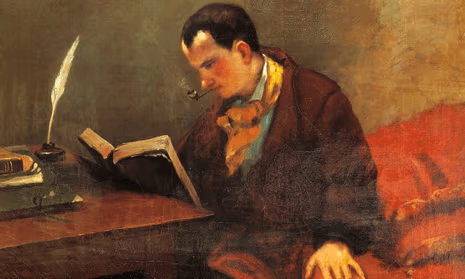
    Photo by Martin Lopez on Pexels.com

    Stuck and in a slump. That’s how I found myself for the few months before I was able to overcome writers block. What is writers block? Its usually only ever seen as a period where you have run out of ideas or when writers are empty. Often times writers take forever to return or worse, spend their time writing things which aren’t authentic.

    I had writers block after I completed my internship. At the time I was figuiring out how I would market my brand but my actual writing slowed down. It wasn’t that I wasn’t publishing poems (I was) it was just that it wasn’t at the speed and rate that I was doing it previously.

    My life as a poet slowed down. I was writing less and I wasn’t living as a poet. I was troubled by what was going on in the world and my mind began to process what happened to me in the past. For some reason I spent a lot of time listening to my ego.

    I was more interested in external events in the world rather than on how I felt inside. That stopped me from writing. These processes were happening within me too quickly and I stayed like this for many many months. Perhaps 5 months. Or more.

    Eventually I missed my old life as a poet. My life from last year. I realised that a writers block was precisely that, a block but an internal block. I realised that the reason why it happened was because I finally hit a crossroad. An internal crossroad. Was I willing to change based on all the lessons I learnt, the experiences I had (as an international student studying abroad) the poetry I read or was I going to try and remain nostalgic by clinging onto who I was in the past.

    I decided to change. I looked within and realised that I felt peace and calm.I was no longer broken, angry, confused or sad. I was wiser. I had just turned 24 and I felt like a man. I understood the world around me – at least a heck of a lot better than I did at 18.

    I looked within and I saw that I most wanted was to love myself now. You can’t love others if you can’t love yourself and you certainly can’t love and change the world. I was confused with my own thought patterns. I wanted love and yet I wasn’t giving myself permission to love myself. Strange.

    After I did that I purchased things I’ve liked since I was a kid like new hats, bottles and beach sandles. Somehow, I understood the mystical poetry of the poets I read a year prior. I understood that poetry is when the soul is dancing. Poets were dancers in their own way. Soul dancers.

    This time when I read them, I understood each line. I was no longer rushing through lines I slowed down and nejoyed each word. I was moving camly and slowy. At night, my own soul began dancing and I began outpouring my words.

    I had gotten over my writers block. I was a poet once again. This time, changed forever.

    Want to see my poems? Check out my Instagram page below:

    https://www.instagram.com/jestoraverse/?__d=1%2F

    No comments on How to overcome writers block – shifting perspectives
    • About
    • Blog
    • Contact
    • Disclaimer
    • Gallery
    • Newsletter
    • Portfolio

    New Releases

    May 19, 2024
    Blog
    May 19, 2024
    Photo by Skylar Kang on Pexels.com

    Recently I have embarked on a new journey within my poetry. My poems have grown now from being just displays of self-expression to becoming tools for greater change in the world. For a while I had lost my fire as a poet as I became disconnected from my poetry journey. I hit a stumbling block around 2 months ago and I scrambled to discover an answer to an important questions, namely, ‘Who am I as a poet? What do I write about? What is my core message?’.

    This question first arose whilst I was thinking about my second year HP goal for my poetry which was all about brand awareness. Before someone can work on brand awareness they have to first start have to think about their brand identity and I didn’t have one at the time, or I should I say, I didn’t have my words put together. The ideas were there, the feelings were there, the type of poet I wanted to become was also there but I needed time to put it together.

    One eurka moment that came to me was when I changed my poetry name. I changed it from ‘muaadspoetry’ to ‘theprincespen’ which is a lot more interesting to me. I have always liked the name the prince and as a younger child I would call myself ‘theclownprince’ for no reason at all other than how cool it sounded to me at the time. There is something amazing about the concept of royalty in general and this is what I wanted to include in my brand. My concept of royalty wasn’t supercificial, it was quite deep.

    I thought about who I looked up to from the past. What connectioned them and suprisingly it was the fact that they were spiritual royalty and they took that spiritual royalness with them in life and let this light have an effect on all of their actions, thoughts and decisons. They were free minds. Rumi, Marley and others leaders I looked up to had this trait.

    They lived in the way of love. They were mystical and detached from the world yet attached at the same time. I conversed with Dr Omid Safi, a leading scholar on Rumi and we exchanged emails (letters) and he was a loving patient guide who answered my many questions. “When love enters society it enters as justice” he informed me. Rumi isn’t just this hippy nice poet who makes people feel good, he’s an active force in the world.

    With this wholistic worldview ready, I began to view God in a different way. Previously, it was a relationship of total fear. As a muslim this kingly God was the only God I would think about but now I began to factor in other names of his and think about them carefully. Al-Wudood is one of his names that mean the all loving, the source of love just like Al-Salam means peace and the source of peace. A lifestyle change would be to join this current or peace and love where ever it may be. Lord knows, the world needs this today.

    With that said, the following poems that I will publish here where new poems that I published this month. Some discuss how my love for poetry has returned, others are mystical and some send a message about political science. Seeing so much disaster in the world, I really began to contemplate Islamic discussions of humanism from many centries ago and how they are relevant for all of us today. Some poems also discuss alchemy and how we as people are gold and how we must be burnt.

    [ I was 21 when I followed the poetry army, ]

    I was 21 when I followed the poetry army,
    And feeling 50 now, haunted;
    I met a man from the village of my mind,
    He sits beside my ear, whispering,
    I asked him: why do I feel like quitting poetry?
    โ€œYouโ€™re a poor soul comparing your gifts with the gifts given
    to the people around you.โ€
    I found myself where I first began,
    Alone and writing in a hole,
    In the distance people are celebrating in Tilburg,
    And Iโ€™m here writing again,
    Falling in love with poetry.

    I offer up my praise to you

    Now that Iโ€™ve tasted this faith I know,
    My passion for prayer will never be little,
    Over it [the passion) you wonโ€™t find any mould,
    For this treasure is not brittle.

    I will live here and pray,
    Offering up my prayers from the ground,
    My words make a long shadow,
    And leave a heavily ringing sound.

    I offer up my praise to you,
    And my sweet surrender.

    โ€˜Gold must be burntโ€™

    Where can I escape to?
    To avoid this feeling of pain?
    Where has the worldโ€™s heart gone?
    Buried deep down in some drain.

    Oh life –
    Iโ€™ve looked left,
    right up and down,
    When I think of the world,
    On my face comes a frown.

    Love holds my hand and says;
    โ€œThis pain takes you away from your pride,
    Gold must be burnt to separate it from the lies.โ€

    Who is the real leader?

    A leader is you,
    A leader is me,
    You can be the prince that was promised,
    I can be the prince that was promised.

    The prince is the leader who dismisses his own ego,
    Even when he as the power,

    The great leader is a spring of compassion,
    The great leader is a master of the path of love.

    Come out dear noble one,
    Come out from your cave,
    Because you disappeared,
    The world ended up the way it did.

    Iโ€™m talking to you,
    You are the prince,
    And maybe I can be the prince too.

    Prose by Muaad ~ Secret of the greats

    Iโ€™ve spent so long reading about great individuals and I always viewed themselves as the sun, too bright and too far away. I thought maybe I shined once in the past but I canโ€™t shine like them today.
    But the difference between me and these great saints I looked up to is in one great secret. They felt negative emotions and dark thoughts but they didnโ€™t let it stay in their hearts.
    They let it pass right through them. They knew those were caused by their circumstances and they knew it didnโ€™t reflect who they are.
    But most of all, when they looked at others they saw their own humanity. No matter who it was, they always saw themselves in the eyes of others.
    In other peoples eyes they read their own pain, dreams and struggles. This allowed them to develop a light hearted attitude when being around other people.

    We are living processes

    Seeing the moon stand alone
    beautifully and peacefully each night,
    Shows me how,
    We should stand the same way,
    We are living processes in a wider
    Environment.

    Life isnโ€™t a puzzle to solve,
    So our lives arenโ€™t a contest,
    We are living stories,
    Eternal signs.

    Free your mind and live that way.

    If you like these poems follow my Instagram page below:

    https://www.instagram.com/jestoraverse/?__d=1%2F

    No comments on New Releases
    • About
    • Blog
    • Contact
    • Disclaimer
    • Gallery
    • Newsletter
    • Portfolio

    Individualisms effect on Poetry: A Discussion

    March 14, 2024
    Blog

    Key takeaways from the article:

    • Individualism is a force in society now that has slowly emerged over centuries.
    • It is one of the dominant forces in society now and it has an effect on every aspect of our lves.
    • It has shaped the way individuals look at and view poetry but only in OUR times.

    Introduction

    What is individualism? Prior to studying individualisms officially in school I never thought about the subject but it was a subject that interested me. In simple terms, individualism is a social theory favouring the individual over the collective.

    The first time that I came across individualism was when Mary Oliver discussed it towards the end of her book called ‘Hand of Poetry’. Most of the book was technical and explained how to write a poem but the end of the book discussed where the ‘individual voice’ of the poet came from. She writes:

    “The name itselfโ€”free verseโ€”implies that this kind of poetry rose out of a
    desire for release from the restraints of meter, the measured line, and strict
    rhyming patterns.”

    Here is the beginning, the part that first got my attention. This is on page 82 of the pdf and upon readig it I first thought, is it true that poets who initially started writing had a desire for freedom?

    Continuing she says:

    “Metrical verse has been written for centuries, and, before that, poetry
    depended on strict application of alliteration or some pattern of light and
    heavy stresses. Poets began to write free verse near the beginning of this
    century. Free verse is still in its de-velopmental stages, then. The rules are
    not yet set in stone, or even in clay. Discussing free verse is like talking
    about an iceberg, a shining object that is mostly underwater.

    “Perhaps free verse was a product of the times. Perhaps it resulted from a
    desire on the part of writers at the beginning of this century to alter the tone
    of the poem.

    Perhaps it had something to do with the increasing idea of a democratic and
    therefore classless society in America. Perhaps the proliferation of privately
    owned books had something to do with a changed attitude toward literature
    in general, and the poem in particular. As small towns and farming
    settlements grew into the west, with their distance from and independence
    from tradition, the idea of author-as-lecturer, as a member of an educated,
    special class, was scarcely applicable.

    Now the poet was being called down from the lectern and in-vited, as it were, into the privacy of each reader’s home. The poet was expected to be more friendlyโ€” less “teacherly.” Content began to change. The slight glaze o gentility, and the ever-present
    question of the suitability of the subject matter faded into the back-ground.

    The emerging voice, it seemed, was determined to write about anything
    and everything. With such expectationsโ€”of intimacy, of
    “common” experienceโ€”the old metrical line, formal and composed, must
    have seemed off-putting. A new tone, reflecting this growing relationship between writer and reader, was called for.


    In order for the tone of the poem to change, the line had to change. Now a
    line was needed that would sound and feel not like formal speech but like conversation. What was needed was a line which, when read, would feel as spontaneous, as true to
    the moment, as talk in the street, or talk between friends in one’s own house.


    This line naturally would have to affiliate itself more with the iambs and
    dactyls of natural speech patterns โ€” the forward-reaching feeling of speechโ€”than with the measures of meter. That, I think, is the long and the short of it. Speech entered the poem. The poem was no longer a lecture, it was time spent with a friend. Its music was the music of conversation.”

    Here, Oliver wonderfully explains her theories as to why free verse developed as a style in the US. When I first started writing poems here as an international student in the Netherlands, without realising, I was using free verse.

    I saw a old man from the US complaining about free verse and he clearly displayed a conservative bent and blamed the young generation for writing in free verse implying they did it as a result of laziness or rebellious attitudes.

    At the time it deeply worried me for two reasons. First, I questioned whether or not I was writing poems to the best of my potential but I was also troubled with the emotional misrepresenation that I clearly saw happening. I was using free verse initially because I wanted my voice to be heard and it was for no other reason than that.

    But a a more important question now arises, namely, why did I instinctively use free verse when I first started writing poetry? The answer? It felt like that was how poetry was written. It felt natural and it felt like its what everyone around me would understand quickly. I knew in my bones that as much as I admired shakespeare, everyone around me doesn’t want to spend time breaking down the complexity of his poetic skills but they want a quick poem that evokes much imagery and is simple to grasp.

    It is true, in the democratic age we live in where people are skeptical of any form of authority, people don’t like to have rules placed upon them and then have their art work judged by those rules. Whether this is correct or not is up to debate. I use plenty of poetry techniques in my poems and I enjoy doing so but I do it from my own free will. Like Mary Oliver mentions when describing free verse:

    “It need not scan, but it may scan a little if the poet is so inclined. It need not rhyme in a definite pattern, but it may rhyme a little, if the poet decides to rhyme a little. It need not follow particular stanza formations, though of course it may have stanzas. It need not follow any of the old rules, necessarily. Neither does it have to avoid all of them, necessarily.“

    This is the most exciting type of poem in my opinion where you just don’t know what the poet will deliver next. It leaves you on the edge of your seat. I also believe that Shakespeare, with all of the new words he invented and the break ups of meter in his work was displaying a significant amount of autonomy in his work. I believe if he were alive today to see the new young creative free verse poets, I believe he would have found it interesting.

    Conclusion

    I believe that individualism has unfolded over the past few centuries and is no in complete swing in the 21st centuty but we often look at how this effects governments, political decisions, economy, business and the relationships between people. I think its much more interesting to view how it changes poetry.

    No comments on Individualisms effect on Poetry: A Discussion
    • About
    • Blog
    • Contact
    • Disclaimer
    • Gallery
    • Newsletter
    • Portfolio

    The Nature of Poets

    March 13, 2024
    Blog, MuaadsPoetry Brand
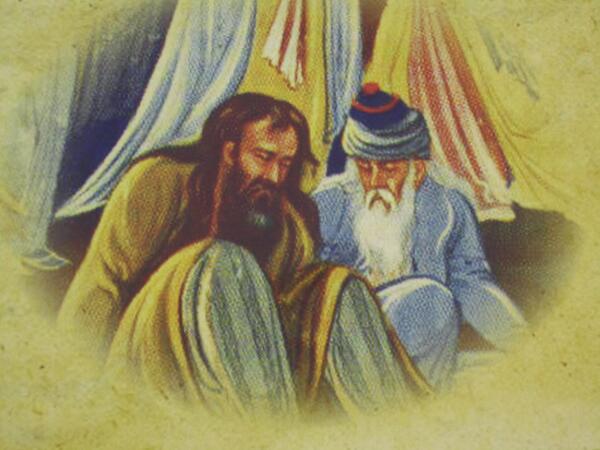
    Rumi and Shamz together

    Introduction

    This is an article that I have been wanting to write for a very long time now. The nature of poets is something that has baffled my mind, paticularly with the face that my yearly reading goal on goodreads has been to read more poetry books. Whilst reading them a whole new world opened up to me. There were poets in every society and they were very peculiar and unique personalities that produced words that blow your heart away. Despite their differences, it always felt like they were very similar to me. Sometimes their messages were similar or their origin story towards their journey was similar. Remarkably, every time I ask a poet why they write, its always the same response. Because they need to.

    The authenticity in poets is what makes them stand out. When I was younger and not living authentically, I shunned poetry without any paticular reason. Now I feel like that was because my younger self couldn’t handle the raw authenticity of the poets. Many others remain like that forever. Inayat Khan, in his poetry book ‘The Hand of Poetry’ discusses how many poets have a moment in their lives when they ‘break open’ and this incident could be a heart-break from a lover or a tradegy happening.

    The Need for Tradegy

    In my personal life, the difficulty I faced since I was 18 finally forced me to have my ‘break open’ moment at 21 when I suddenly started writing poetry. I used to question why God would put me through such struggle and once I started writing poetry everything made perfect sense. It was as if he was placing me in the right place. Though I would never want to return to those years, I understand their value despite the pain it brings me to think about it. The strength, wisdom and gratitude I developed as a result combined with my poetry now makes me feel unstoppable. Tradegy hurts, there’s no nice way about it and if the Almighty willed, he could have left us with no benefit from the tradegy since life is a test but like an untasty medicine, it has countless benefits. This is from the mercy of the Almighty.

    Rumi has his tradegy when Shamz of Tabriz (he peer, mirror and teacher) left and was presumed dead. In a unique book called ‘Rumi’s unseen poems’ you feel the brutal pain. In the poem ‘I saw my beauty in your beauty’ he writes:

    “My heart is a woman giving birth at any moment.
    She is pregnant with the light of your glory.
    Nine months pregnant, when can she rest?
    She has no idea of the pain and suffering.
    Love, if my blood boils for anyone but you,
    Take away my joy and shed my blood freely.
    Out of love, head to toe, I turned into living words,
    Crying to the heavens, pleading for the news of you.”

    Shamz of Tabriz died of course and Rumi was never able to see him again. As brutal as it sounds, because of this brutal tradegy we were able to get some of the most amazing poems humanity has ever seen. Jalal ad Din Muhammad Rumi wins best seller every year in the US despite being a Sunni Turkic-Persian scholar from Afghanistan who lived in the time when Genghis Khan was sacking the whole world, including Rumi’s home town as well as Rumi’s first poetic inspiration, Attar.

    Another great example is Al-Mutanabbi. Travelling to Aleppo he came across the man he was looking for his entire life. Al-Mutanabbi always knew he was a great poet but he dreamed of composing eulogies for the archetypal ‘ Military Hero’ but he couldn’t quite find anyone who matched this fantasy of his and thereby lived most of his life in a state of feeling disconnected. Eventually he came across Sayf ad Dawla, a typical military hero. They had a great relationship but eventually they fell out and Al-Mutnabbi left. He composed great poetry lamenting over his lost friendship as well as his own anguish at himself for feeling sad over a friendship that he shouldn’t care about any longer.

    Al-Mutanabbi’s poetry is raw. We have all lost a friend somewhere along the line but Al-Mutanabbi was brave enough to compose poetry about how he felt. In my own poetry, I tried to copy his style in the way he would contradict himself. The poets all went through a tradegy in their lives but it led them to composing some of the greatest poetry in human history so it did have a positive side in the end.

    Tradegy is needed and in my latest poem, ‘I’m a wandering poet’ (which you can find on instagram) I discuss how my emotions are different seasons and the need to view them all as natural ‘changing of the weather’ rather than something negative. I would view sadness and confusion as negative but now I don’t want to do that anymore. I’m not going to pretend as if this is wisdom that I cam up with. I heard this way of viewing emotion in a discussion video on YouTube about Rumi by Dr Safi and it has since deeply inspired me.

    My poem ~ ‘I’m a Wandering Poet’ – A poem by Muaad Sucule
    “Under the moonlight,
    I let the storm of my emotions rage,
    Under the moolight,
    I taste the sweetness of sadness,
    Under the moonlight,
    I walk through the mist of confusion,
    Under the moonlight,
    I see my emotions as different visitors,
    Opening the door of my heart,
    I welcome them in;
    Hosting them all equally,
    In my beautiful home.
    I’m a wandering poet,
    Wandering alone under the moonlight,
    Travelling through the seasons of my emotions,
    Alone and far out of sight.”
    – Muaad Sucule

    Why do different poets write?

    Every time I meet a poet, I ask them “why do you write?”. I only do that to see if I could find a unique answer since nearly all answers are the same. This is a good thing in my opinion because it confirms my view of poets. My recent features on my instagram page, Ladan, Ayesha K and Kelly have all told me about the necessary reason for them to write. How they have a natural urge to

    The Role of Poets in Society

    Poets have always had a prominent role in every society. I read the poem of an Aztec King and just like the Somalis, the poets were instrumental in that society. Furthermore, whenever I think of the role of a poet in society, I remember Tu Fu the legendary chinese poet. His poetry was so raw that it perfectly captured exactly what he felt was happening. For the historian then, poets must be an amazing source of historical information. I personally believe that poets inform humans of what is actually going on. Beyond political opinions and theological debates, the poet gives the raw truth about human nature as well as society and this is what makes the poet essential to society.

    Conclusion

    Overall, I believe that poets al have a similar nature. A gentle nature that is almost connected to the ‘thread’ of the life itself. All the poets I’ve met have said they feel a heavy feeling that forces them to write and only after writing do they feel better. This is how I feel personally as well. This leads them to compose poetry which creates art that tells an authentic truth about reality itself. A truth which can’t be refuted at all.

    If you like these ideas: Follow my instagram page below:

    https://www.instagram.com/jestoraverse/?__d=1%2F

    No comments on The Nature of Poets
    • About
    • Blog
    • Contact
    • Disclaimer
    • Gallery
    • Newsletter
    • Portfolio

    Poems for Companies? My unique type of marketing explained…..

    January 16, 2024
    Marketing

    Poetry has become alive and relevant again. In this article I explain why.

    Photo by Pixabay on Pexels.com | Language has always been essential for companies when advertising.

    When it comes to poetry, we often think that poets are a group of introverted people who write about their feelings, and that’s about it. However, people who look below the surface understand that poets do a great deal of work. For example, they present poems, communicate ideas, and when a poet writes a piece that praises something or someone, they are making the ordinary look extraordinary in the eyes of the people.

    We often talk about how we can market poems or poets. What if we turned the table around and used poetry as a marketing tool for companies? This wouldn’t be a new idea at all, as companies strive to have catchy taglines. But in a world where everything around us is becoming more technology-focused and people are looking for authenticity, a poem is a great way to show the world what the values of your company are โ€” a way you can humanize your company and connect authentically with customers.

    If people need it then so do companies…

    Picture from campaign live website: Coca Cola featured George the Poet and took a poetic approach as a marketing campaign during the COVID period.

    A poem is a message from the heart. It is intimate and personal. It is one of the main reasons why people love poetry. In a period where people are looking for authenticity in the Western world by turning to different beliefs, poetry has become something that is being welcomed again and slowly appearing as something that is on the way to becoming mainstream. Surprisingly, according to multiple researches conducted about poetry, the average age for people who read poetry is between 18-24. Poetry has a future, and it’s time for companies to see this as well.

    A company could benefit from a poet’s touch because both companies and customers are looking for a connection. A customer is loyal to a brand when they have a deep emotional connection. In brand reputation theory, we know (according to the RepTrak model) that brand reputation is an emotional connection that a stakeholder has with any given company. If a company offers a short poem to connect with the customer, this is certainly going to increase the chances for the company to deepen its connection with the customers and strengthen its brand image. This is where I step in……

    What I Offer

    I offer, as a communication student who is also an intern and a published poet, precisely that. I have a talent for writing poems, and my talent also happens to be my passion and my favourite pastime. I can write short creative poems (which stand out and are in line with the company’s values, image, vision, and mission) for the company in order to help the company achieve the benefits that I have listed above. Feel free to contact me at:

    https://www.instagram.com/jestoraverse/?__d=1%2F

    Or send me an email via:

    muaadspoetry@gmail.com

    No comments on Poems for Companies? My unique type of marketing explained…..
    • About
    • Blog
    • Contact
    • Disclaimer
    • Gallery
    • Newsletter
    • Portfolio

    Want to see my poetry as a visual? Check out our Pinterest page.

    January 11, 2024
    MuaadsPoetry Brand

    If you’re someone who is a visual person and like to just keep swiping on their phone then you should defenitely follow @Jestoraverse on Pinterest. Here you’ll be able to see every new poem I publish in a nice edited format, as well as updates and live presentations. So be sure to give that page a follow ๐Ÿ™‚

    No comments on Want to see my poetry as a visual? Check out our Pinterest page.
    • About
    • Blog
    • Contact
    • Disclaimer
    • Gallery
    • Newsletter
    • Portfolio

    Book out now on Amazon!!! (Repost from 2022)

    January 11, 2024
    Book
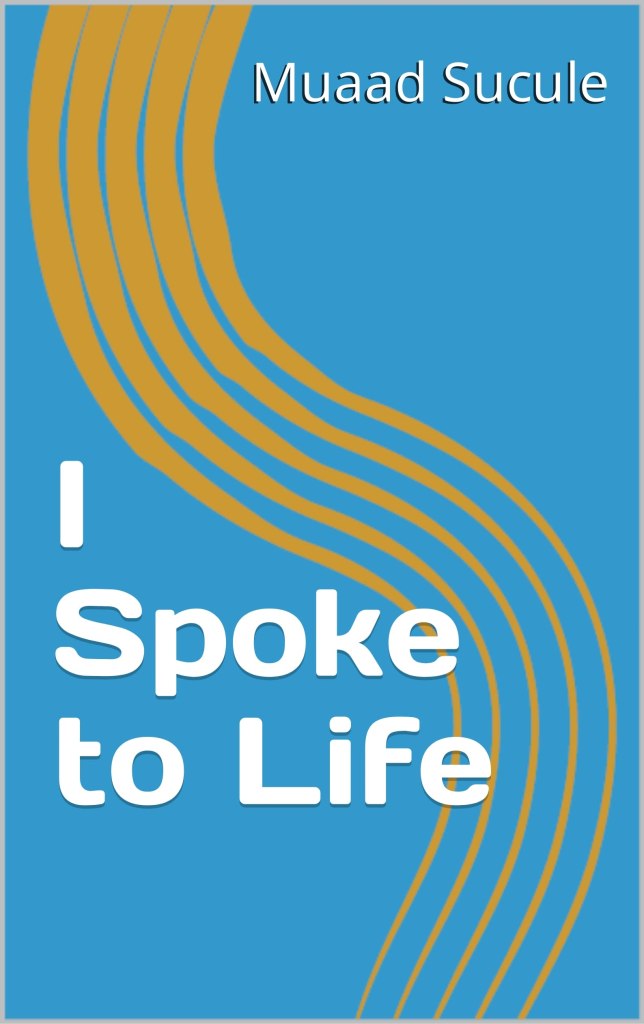
    Front cover of my book which is available on Amazon and Goodreads.

    Background Story

    It took me a year to write this book which is now available on Amazon. At the start of my second year in my ICM bachelor, I enrolled into the honours program with a single goal in mind. A goal to write and publish a book.

    There were two aspects which I found tricky and perhaps I found it tricky because I’m not someone who is mathematical in my way of thinking. I’m not a person that thrives with tricky issues. Nonethless, I tackeled the problems anyway.

    The first difficulty that I faced was compiling the book. I don’t know anyone who has written a book and so I literally looked at other books and copied their format. After that I had to decide which poems I thought were good enough to be in the final book. Out of my 80 + poems which I have published online I believe around 30 made the final cut. I ‘killed my darlings’ but for a good reason.

    The second part that I found difficult was the publishing aspect. Once again, I didn’t know a single person who published a book and so I asked my entire network and discovered that I could publish it online. After trying (and failing with google, apple and Issu) I managed to publish the book on Amazon.

    I always wanted to publish a book in my life. Not like a long autobiography (that nobody really would care about after page 100) but a special book and to publish it at the age of 22 was a gift. In the future I might write more books but now the pressure if off. Becoming an author was a difficult process but a rewarding one. I receieved a lot of popular feedback from all kinds of people I knew, even people who were childhood friends that I lost contact with.

    Everybody was proud of the random kid from Birmingham trying to tackle big projects and for the first time in a long time, I was proud of myself. I don’t think I would have been able to publish a book on poetry if I didn’t become an international student. My life took a unique turn and as a result, I ended up doing unique things (like writing poetry, studying communications as my bachelor and authoring a book). Truth be told, I’m very excited for the future.

    Book Themes

    The book touches upon various themes. I attempt to write poetry where I discuss my thoughts on the nature of the world around me. I also discuss the theme of love and romance, mental health and faith. The end of the book has a section of Eulogies where I write poems for others. It is a book rich with different themes.

    Where to find the book?

    ‘I Spoke To Life’ is a collection os my best poems so far. I’ve taken inspiration from a broad range of poets. From Li Po to Rumi to Shakespeare to Labid to various Somali poets but most importantly, I created my own voice and spoke from my soul to give the world a part of me. An irrefutable part of me. My perspective and feelings as a youth growing up in the 21st century. The link is below, I hope you will purchase the book which now available on kindle (as an ebook) only. Thanks for reading this article. Stay tuned (for another potential book) for more updates.

    No comments on Book out now on Amazon!!! (Repost from 2022)
Previous Page
1 2

Blog at WordPress.com.

MuaadsPoetry

Words that Wait

  • About
  • Blog
  • Contact
  • Disclaimer
  • Gallery
  • Newsletter
  • Portfolio
 

Loading Comments...
 

    • Subscribe Subscribed
      • MuaadsPoetry
      • Already have a WordPress.com account? Log in now.
      • MuaadsPoetry
      • Subscribe Subscribed
      • Sign up
      • Log in
      • Report this content
      • View site in Reader
      • Manage subscriptions
      • Collapse this bar